Mohammed Asad is a photojournalist who lives in Gaza. The other day he published a short video here of a funeral march through what is euphemistically called a street in Gaza. He tells us that Israel routinely killed 100-200 civilians daily but now is killing five to 10 a day in his neighbourhood – called Shati or the Beach refugee camp. Since the ceasefire in Gaza, Israel has murdered more than 750 Palestinians, injured 2,100 and violated the ceasefire more than 2,400 times.
Of course the fact there’s been a ceasefire for more than six months means little to Israel – but perhaps, the thinking goes, that as long as the Israelis can kill here and there in Gaza, or the West Bank, it won’t be noticed by those counting the thousands of dead and tens of thousands wounded in Lebanon, Syria and Iran.
“I’ve been to places like Syria and Libya, and seen some of the horrible things … and I’ve seen dead children before, but never like during this war in Gaza. Never so many, never so often”
Sara Hussein, AFP journalist
In fact last Tuesday, Israel’s air strikes killed 8 and wounded more than 30 Palestinians overnight in one of Gaza’s eight UN refugee camps. Just hours before Tuesday’s attack on the Beach refugee camp, an Israeli missile struck a vehicle in Gaza City, killing a police officer and three passers-by including 3-year-old boy, Yahya al-Malahi. The boy and his father were on their way to a family wedding. As the boy’s cousin said,
“What is his fault? What is his crime? He should be wearing a wedding suit at his cousin’s today but instead he wore a shroud stained with blood.”
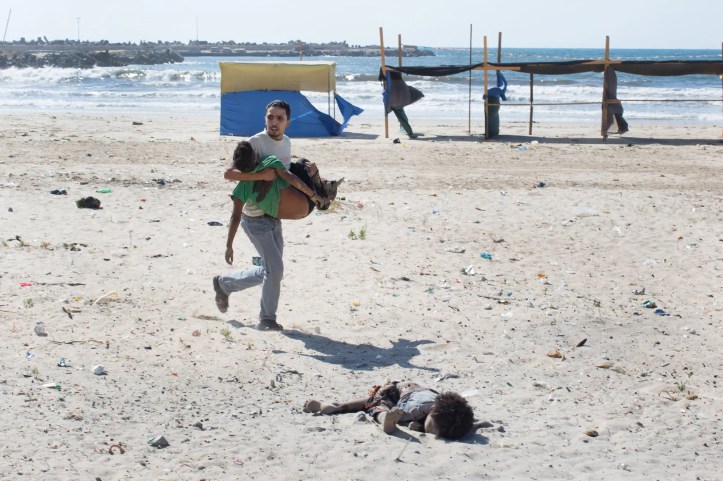
Does the name “Beach Refugee Camp” sound familiar? It should. Last week’s murders evoked the terrorist behaviour of the IDF the world saw almost 14 years ago when an Israeli missile struck a stone sea wall at the Beach refugee camp in Gaza. Three teenage boys playing football narrowly escaped; they ran up to a hotel in which foreign reporters were staying. Imagine that foreign reporters, truthtellers and photographers reported from inside Gaza- unthinkable today. On that July day in 2014, reporters gathered outside the hotel after the air strike; they protested into the wind, “They are only children.”
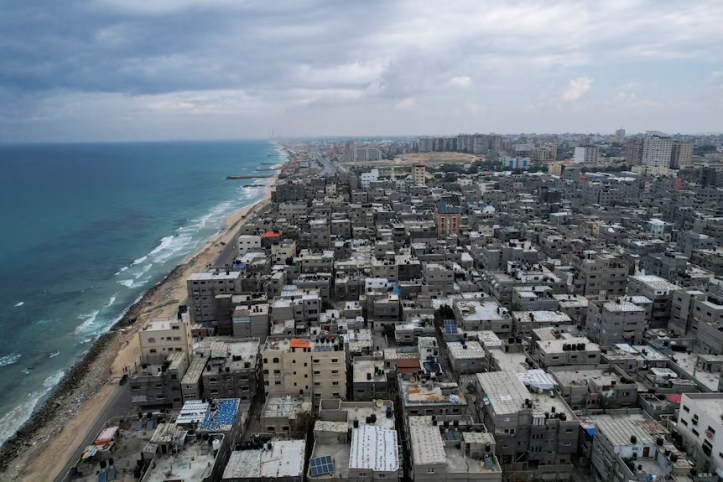
Air strike at Beach refugee camp…
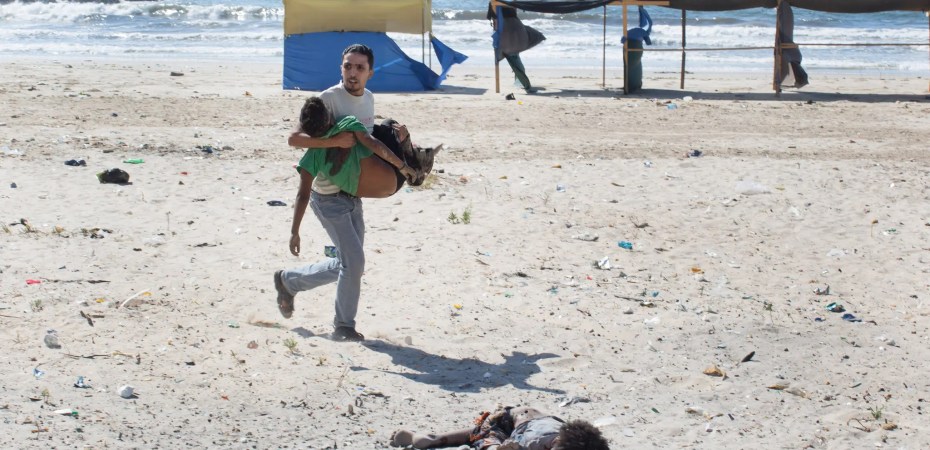
Minutes later, another Israeli missile struck four boys playing hide and seek on the beach among the fisherman’s sheds. The four boys, aged 9, 10 and 11, part of the Bakr extended family were massacred in 40 seconds, tops. But the Israel Defence Force insisted:
“Based on preliminary results, the target of this strike was Hamas terrorist operatives. The reported civilian casualties from this strike are a tragic outcome.”
AFP (Agence France Presse) Middle East reporter Sara Hussein, wrote two weeks after the killings at the beach,
“This war in Gaza is not the first war I have covered, it isn’t even the first war I’ve covered in Gaza. I’ve been to places like Syria and Libya, and seen some of the horrible things that are normal in armed conflict, and I’ve seen dead children before, but never like during this war in Gaza. Never so many, never so often.”
That was in 2014.
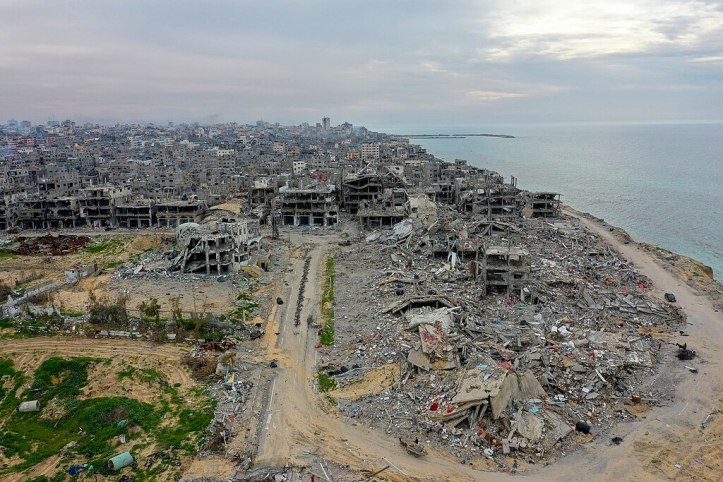
Last week it was the photos that got to me
First of all, can you imagine a wedding celebration here? The buildings still standing are lopsided hulks of concrete with broken staircases and destroyed roofs. If a celebration takes place in or near one of these buildings, a random drone attack by Israel on anything nearby would mean the further collapse of the skeletal building. People at the wedding die.
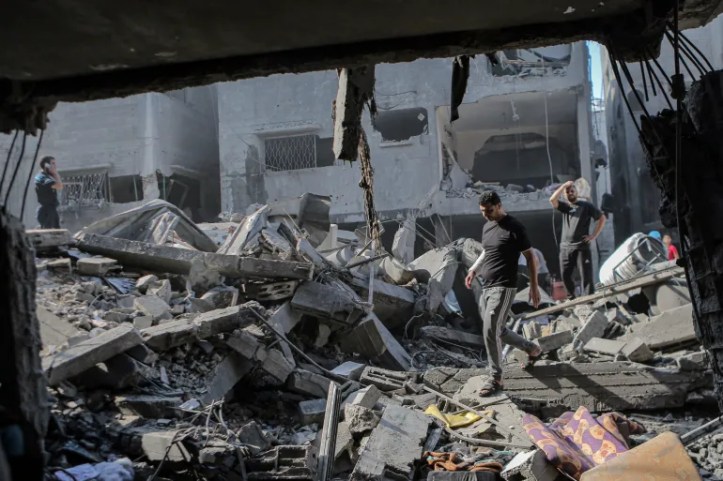
By the same token, a funeral march took place with hundreds of mourners. All walking down one metre wide dirt pathways, past the towers of rubble created by hundreds of toppled buildings and vehicles. All the while mourners are confronted with the fact that scores if not hundreds of fellow Palestinians remain trapped and lifeless in the ruins. Many bodies are left — unreachable by rescuers due to the dangers of shifting concrete and the almost impossible task of excavating by hand — for years. Israel has not allowed tools, shovels, construction equipment into Gaza for more than 12 years. Before Oct. 2023, some NGOs were allowed to bring materials in to help build schools or hospitals – but now that Israel has forbidden more than 37 NGOs or aid organizations from operating in Gaza – there are no tools to even bury the dead.
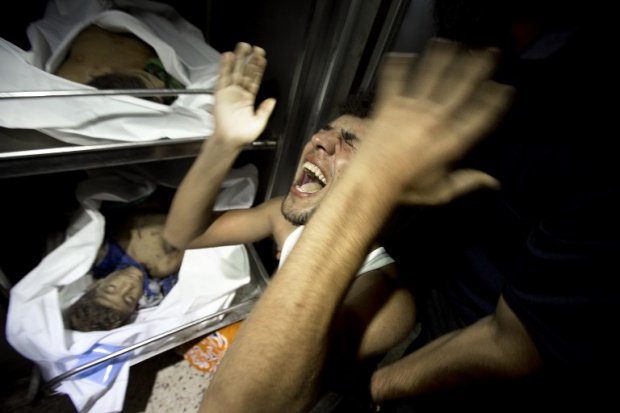
These photos tell a story about two days in one Gaza refugee camp. A wedding that ends in a funeral, and eight people killed at random in the Beach Refugee Camp, in northern Gaza.
And what are Canadian Jews doing?
But most of the Jews in Canada that Israel insists it represents go about their days in if not blissful, then untroubled innocence. A Jewish lawyer tells me the situation is “too complicated” for him to pass judgement on Israel. In a downtown cafe the other day I listened to three well-dressed women having a deep conversation about their Passover Seders and when Halifax’s Waegwoltic Club’s lido pool was going to open for the season. (As an aside, until the late 1960s, not so long ago, the club barred Jews from membership). I heard a Dalhousie professor lament that two Jewish students in the medical school were confronted by antisemitic “Arab” students who called the women child-killers. A Jewish matron in my swimming class told anyone who would listen a comforting story her rabbi had told at the synagogue.
About half the Jews in Canada refuse to acknowledge Israel’s genocide. It speaks volumes about a people tone deaf to the present day suffering that Jews visit on Palestinians in Gaza, or the West Bank. Things are changing, slowly.
After two and a half years of watching Israel kill more than 73,000 civilians, including 22,000 women and 16,000 girls. Canadian Jews are starting to pull away from their toxic and insular community’s values and blind support for Israel.
- Half of Canadian Jews and 60% of American Jews refuse to self-identify as Zionist;
- 60% of Canadian Jews say the Israeli government is moving in the “wrong direction”
- And half of Canadian Jews believe that accusations of antisemitism are “often used to silence legitimate criticism of Israeli policies”
Image at the top and below: The aftermath of an airstrike on a beach in Gaza City on July 16, 2014. Four young Palestinian boys, all cousins, were killed. (Credit: Tyler Hicks/The New York Times)