What to Read:
Short and Punchy
A nice little essay “Margaret Atwood Wrote History Before It Happened” is online on Postcards from Deda, the site by Deda Edney, a librarian, a bookstore person and a writer. You can read it here.
Ricardo Tranjan, author of The Tenant Class, has written a good piece all about how rent controls DO work to curb the gigantic rent increases we are seeing now. His article, “Rent Controls Work: They don’t reduce housing supply but they do limit profit” is well worth a read. Here it is in the Toronto Star.
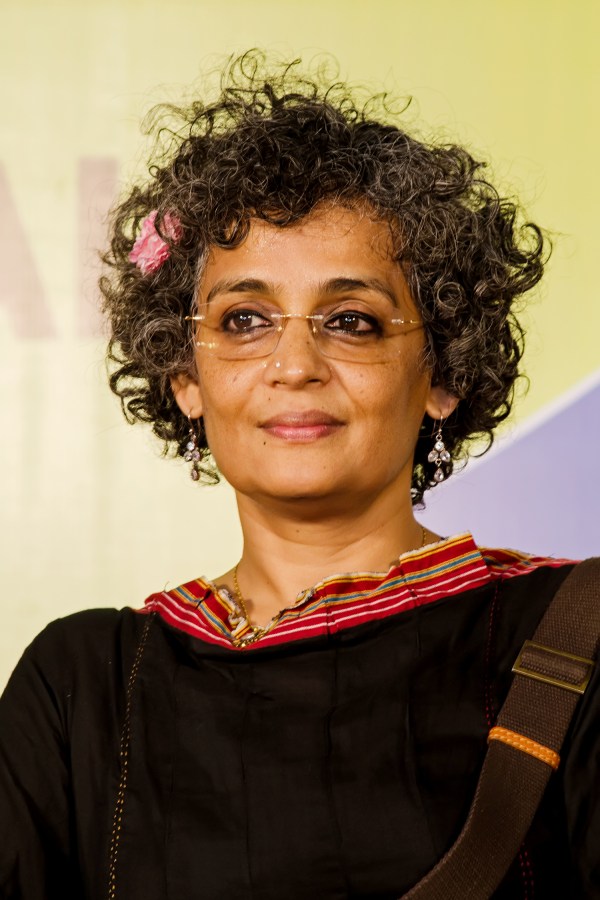
Novelist, writer, architect and anti-imperialist Arundhati Roy delivered a great speech “On Gaza” at the meeting of Working People Against Apartheid and Genocide in Gaza, at the Press Club, New Delhi, on March 7. It’s not long and well worth reading. Might give us all some hope. Here.
Craig Murray is a former UK diplomat, leftist, writer and bon vivant who now writes a blog/newsletter. His article is very good. He condemns the ruling class and the panic that has set in due to a Tory UK PM Rishi Sunak who runs to catch and nod his head to every word of the US in defence of Israel. Murray says the whole world has moved beyond the conservative Zionist narrative which paints Israel as the eternal victim.
“The Israeli genocide in Gaza has collapsed this narrative. Too many people have seen the truth on social media. Despite every attempt by the mainstream media to hide, obfuscate or distort, the truth is now out there. The reflex hurling by the Establishment of the “anti-semitic” slur at everybody who opposes the Genocide – from the United Nations, The International Court of Justice and the Pope down – has finally killed off the power of that slur.”
Craig Murray on his blog
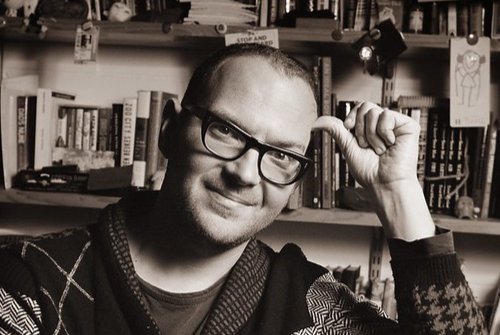
Below: Coyote painted by Kimberly Lavelle; Maher Arar (X); Arundhati Roy (Wiki); Craig Murray (FB); Cory Doctorow.


Here is a longer piece in The New Yorker, “A Teen’s Fatal Plunge Into the London Underworld”. Author Patrick Raden Keefe explores the world of a 17-year-old high school student in London UK, Zac Brettler, who fell to his death. He fell into the Thames River from a fancy condo his family knew nothing about. His demise left his parents with many questions and few answers. Zac was from an upper middle-class home and travelled an hour by bus each way to a private day school in London. At the school there were many students who boasted about their rich families and parents– some who were diplomats, some in banking, and others in big business. Perhaps to fit in, Zac pretended to be an rich orphan, the son of a Russian oligarch. He stopped going to school; he travelled around London in limousines hired by wealthy strangers, and even rented an upscale apartment – God knows where he got the money or how he was allowed to sign a lease.
Meanwhile, his mother, an arts writer and his father– an accountant – had no idea what he was doing or with whom he was involved. It was after the boy jumped (or was pushed) to his death that certain things became clear to his parents and his older brother. But the police and the crown preferred not to dig too deeply, for fear of offending the super-rich Russian and South-Asian ex-patriates who were in some way involved. Read it here. The long article is written by Patrick Raden Keefe, the author of the excellent Say Nothing: A True Story of Murder and Memory in Northern Ireland (2018), and more recently Empires of Pain: the Secret History of the Sackler Dynasty (2021). I’ve read both. Say Nothing is absolutely spellbinding, I highly recommend it.
Maher Arar has written a fascinating blog, “How the Media Misled the Public About Who Was Behind the Attack on Al-Ahli Hospital”. From an engineering and a technical perspective, Arar analyses who did bomb the Gaza hospital in October 2023. Many will remember the War on Terror in the wake of 9-11. He was jailed in a Syrian prison cell that he called a “grave” for a year. And it was the RCMP and the Canadian government which were at fault for fingering him to the CIA as a possible terrorist — of course he was nothing of the sort. You can read this impressive article here.
“Uber is Lying Again- The company has no intention of paying drivers the minimum wage” is by the novelist and journalist Cory Doctorow. He examines Uber’s hype and the reality of what its drivers in Toronto typically earn. Here’s a taste– Uber is claiming that by paying drivers
“minimum wage” for “engage time,” the time they are actively picking up and dropping off riders, that this will amount to minimum wage. The part they’re not saying is that almost half of a driver’s shift is spent unengaged and unpaid waiting for a call — thanks to the massive glut of Uber drivers clogging Toronto’s streets — and paying 120 per cent of the drive-time wage will produce an average wage of only $2.50 per hour after expenses.”
“My battle of wills with a pack of Coyotes in a Toronto ravine” by Paul French is a lovely first person account in The Globe and Mail published the other day. You must read it, it’s short. And thanks to Larry for passing it along to me: It reminded me of the excellent novel The Tortilla Curtain (by TC Boyle, 1995) which features menacing coyotes wandering into suburban Los Angeles back yards after dark.
Books
Again in these tough times, I’m reading more John Grisham. His books take my mind off everything in Gaza and Palestine, but show how murderous and corrupt the US is. That’s fine by me. You could read The Boys from Biloxi. It takes place in the bit of Mississippi which is on the Gulf of Mexico. Ignoring issues of race and horrifying poverty, Grisham looks at two families that emigrated there from Croatia in the early 20th century. Both families were neighbours, attended a Catholic church in a working class area of Biloxi and were desperate to live the American dream. The head of one family was a WWII veteran, and later went to night school to study law to become a practising “good” lawyer. The other became a boss of casinos, owned and ran bars, brothels and real estate developments. The “good” family tried to rid the Gulf coast of the “bad” goings on by the criminal family. If you like black and white stories of evil vs good, this Grisham book is for you.
Grisham’s latest book, The Exchange, I also read. A 40-year-old man is a partner in the biggest law firm in the world. He earns over $2 million a year – but then so do the other 40 partners. But he’s a “good guy” in that he came from an impoverished background somewhere in the southern US and somehow graduated from Harvard Law School near the top of the class. After a tricky start in his legal profession, he was forced to become an FBI informer against his corrupt Mafia-backed employer, a big law office in Nashville. He and his wife fled the US (the witness protection program wasn’t on the cards) to Europe. They lived for a few years in Italy; he started working for a US law firm with an office in Rome. His wife became a chef and a cookbook writer. Returning to New York years later, the couple settled in New York, where he became a partner in a huge corporate law firm.
It all worked out until the elegant daughter of his old boss in Rome got kidnapped by a rogue gang of real “baddies” in Libya during the rule of Muammar Gaddafi. True to the Americanness of all his books, Grisham goes to town railing against Gaddafi and shows how there’s no democracy like the one in the good old US of A. Of course the hero, with his knowledge of Italian and his friendship with his former law firm boss, manages the unmanageable. Quite a ride. Again Grisham paints the women as all beautiful, fit (the lawyer’s wife jogs in Central Park), and very professional, yet homey – one dimensional like Warhol’s painting of the Big Campbell’s Soup Can.

What to Watch
The After is an 18 minute British short film, on Netflix. It’s pretty good – a Black man in London suffers an incredible tragedy. As a taxi driver he then is deeply affected when he witnesses a run-of-the-mill family quarrel between his passengers.
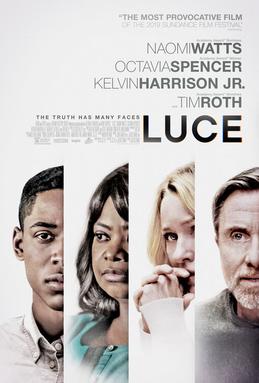
On Kanopy, watch Luce. You will not take your eyes off the screen. We meet a well-mannered 17-year-old student, Luce, and his successful parents who live in a Washington DC suburb. Luce, who is Black, was adopted as a young child from Eritrea. His white parents, especially his mother, have showered him with love, support, sports, books, films, music, and opportunities. Luce is destined for an ivy-league college. However he gets into an argument with his history teacher, a Black middled-aged woman, who senses that Luce is not who he seems. She sees a side of him that is controlling, dishonest and angry. This is a great feature film from 2019 – you must watch.
The Black Dress, Luce, After Landing, The After



On Prime I watched American Fiction. The second half of the film is better than the first, which is rare. And the acting is great. It’s funny, sarcastic and clever.
I watched After Landing, a brand new half-hour documentary made by two young women filmmakers at the Pulitzer Centre. After Landing is about a young Venezuelan couple. Each partner left his or her family behind, including young children, to start a better life in New York City. These were the days when lawmakers tricked immigrants to board buses to take them to towns allegedly with jobs and housing. This couple were shipped to Montreal in the height of winter. After Landing is slow, and a not very deep tale of immigrants — you can watch it here.
London Kills is two seasons on Britbox. A bit stiff, but not a bad policier series. Not too bloody or violent – as always the police are portrayed in a good light, which gets me.
Payback (2023) on Britbox is much better. Lexie Noble is a happy mother of two young kids in London. An accountant by profession, she works part-time in her husband’s lucrative accountancy office. One day, on his morning jog through their upscale neighbourhood, he is killed by some young thugs. Lexie doesn’t have a minute to mourn or to figure anything out. The cops are breathing down her neck to find out what she knows about her husband’s enemies and his business failures. And then a frightening gangster, whom she’s never met before, warns her that her husband owed him a fortune and now she is responsible for the debt. We go between thinking she is part of the murder plot, to see her try to pay off the gangster and at the same time run interference with the corrupt cops. The six episodes are riveting.
Steeltown Murders: if you like Wales and you love Welsh accents, you’ll like this murder series. The nice thing is it goes between the murders of three teenaged girls in 1973 and the same police still chasing the cold case in 2000. Not bad, if a bit slow.
Injustice on ACORN is also worth watching. It’s a bit dated given it’s a dozen years old but the plot is good. William Travers, a country lawyer in a small English town has a visit from a London lawyer. Her client, Martin, an old law school friend of Travers, has been charged with murdering his secretary with whom he was having an affair. Martin vigorously denies the charge and Travers takes on the case. At the same time, the police begin to investigate the vicious murder of a homeless man near Travers’ home in the countryside. Somehow the plots get intertwined and the mystery thickens as you watch. Not bad
The Black Dress is a new 18-minute documentary by Palestine Chronicle TV. It shows how the story of the rapes of Israeli women by ‘terrorists’ from Gaza on 7 Oct was little more than propaganda. It delves into who made the accusations, the media response and gives some proof. It’s well worth 18 minutes to watch here.
Al Jazeera investigation finds the Israeli military were likely involved in 7 Oct ‘friendly fire’ deaths. Here is an eight-minute documentary that introduces us to Justin Schlosberg, an academic and the cofounder of the Institute for Journalism and Social Change in London who has analysed what did happen that day. Watch it here.
For anyone who remembers the Miners’ Strike in the UK in 1984, you want to watch The Miners March: 40 Years after with Arthur Scargill and George Galloway, newly elected radical left wing and independent British MP. Today’s march takes place in South Yorkshire with banners and hundreds and hundreds of ex-miners and their families. A piece of nostalgia with a good political edge. Watch it here.
Podcasts
On The Toronto Star’s This Matters there is a good interview with Susan Delacourt, the Star’s national columnist in Ottawa. On February’s “Family Day” holiday her Twitter (X) account was hacked and that hack led to a domino effect with all her online presence – from her email, to her bank accounts, to other social media. She tried to find out who was behind this and had the sense it was someone who supported The Convoy. He or they had targeted her because she had been a vocal opponent of the shut-down of Ottawa that cold winter. Listen here.
Suing for Silence: Sexual Violence and Defamation Law by Mandi Gray is a new book about the use of Canadian defamation law to silence survivors and advocates who speak out about sexual violence.
“Gray draws on media reports, courtroom observations, and interviews with silence breakers, activists, and lawyers from across Canada to examine the impact of so-called liar lawsuits on those who report or are thinking of reporting sexual violence, and on public discourse. Her meticulous work reveals the gendered underpinnings of defamation law, which has long protected men’s reputations at the expense of women’s sexual autonomy”
From blurb by UBC Press
Gray is interviewed on the Redeye Podcast on Vancouver Coop Radio . It’s a very good and short interview about what seems a blockbuster book.
“What feels like the world” by Richard Bausch is an hour long short story. It’s read aloud brilliantly on the podcast Selected Shorts. This is a great American short story about a grandfather and a pre-teen granddaughter he is raising – and it’s wonderful to hear– here.
Investigative podcasts — in which the investigations are about the police — are done the best by Australians – really. There is an excellent podcast on Full Story about a coroner’s inquest into the police murder of a Black man Kumanjayi Walker in the Northern Territory. The podcast looks at the racist police, racism in the force and the coroner actually put the cop on the stand to explain what went on and what goes on every day – hunting and killing “Aboriginals”. This is what our CBC should be doing. But it does not even come close. In half an hour, you will learn a lot about a justice system much like ours and racism so deeply ingrained it’s breathtaking. Here.
Ars Gratia Artis
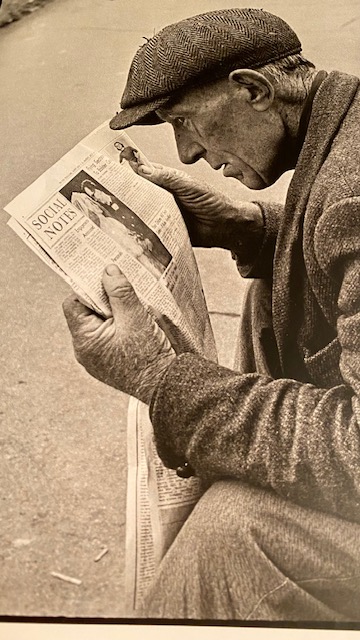
Ian MacEachern’s photography is on display till mid-April at the Beaverbrook Gallery in Fredericton. Born in Glace Bay NS, MacEachern worked as a cameraman in Sydney and in Moncton. After years in Toronto and London, Ont., he returned to the Maritimes to live in Saint John NB. This photo ” Schoolgirls with Laundry, North End, 1966″ may be in his show at the Beaverbrook Gallery. I saw it in his in his book of photos, The Lost City, which I borrowed from the Halifax Public Library. It’s amazing! Below left is “Family Walking, Charlotte St., South End, 1965”, and right: “Social Notes, King’s Square, 1965”


Owl Alert
Thousands signed a petition to create a sculpture in New York’s Central Park in honour of a Eurasian eagle owl called Flaco. It was freed from a zoo last year and since then has made a good life in the city. Flaco died recently when he crashed into a window on the Upper West Side of the city. He was 12 years old. Read more about him here.

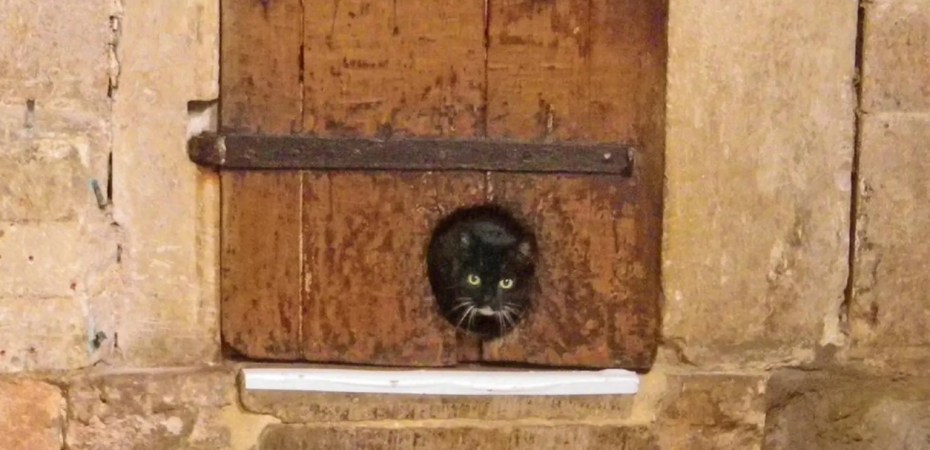
Image at the top: perhaps the world’s oldest catflap is in a door in Exeter Cathedral in England. A receipt for work done by the carpenter dates back to 1598. The BBC notes that the carpenter cut a hole as part of an attempt in the 16th century to keep rodents under control. For more read this.
 Another ruined dinner party...