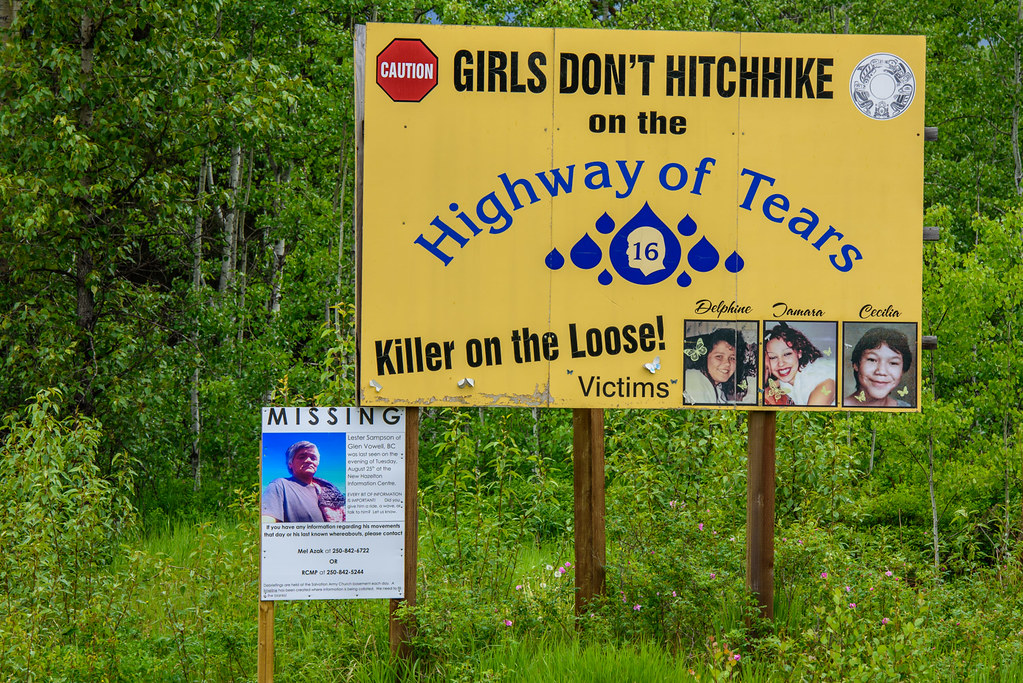
Highway of Tears: A true story of Racism, Indifference and the Pursuit of Justice for Missing and Murdered Indigenous Women and Girls by Jessica McDiarmid. McDiarmid is a journalist and the first Indigenous woman to write a book on this topic. Published in 2019, a lot of what she writes about has since been exposed in the media and revealed in the testimony, investigations and interviews held by the National Inquiry into Missing and Murdered Indigenous Women and Girls. The Highway of Tears, Highway 16 that runs from Edmonton west to Prince Rupert BC, is infamous for being the place scores and likely hundreds of Indigenous women and girls have been picked up or kidnapped often by white male drivers who raped, murdered and simply disappeared their victims.
Sally Gibson who lost two nieces along the Highway of Tears said, “You get so many people saying ‘I know what happened.’ And you go running because you want the truth. And you run your feet off. For nothing” (p. 90).
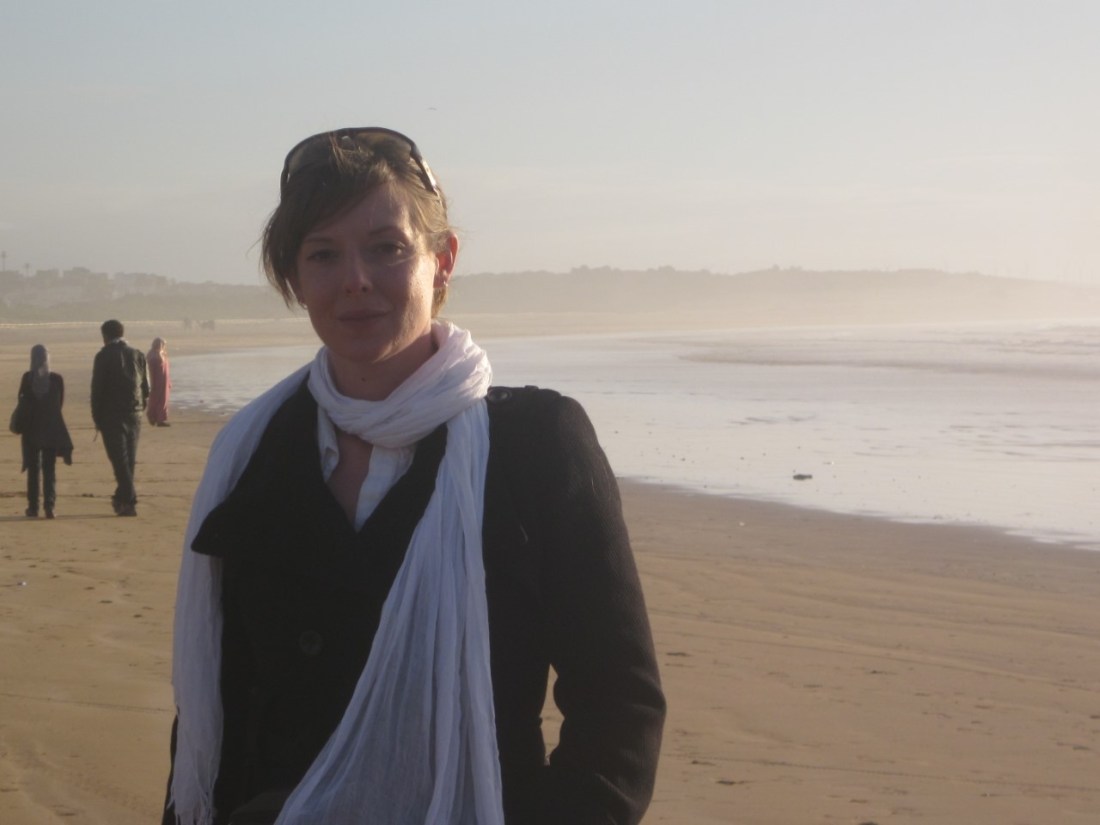
Below: Highway of Tears map from Prince George BC to Prince Rupert; warning sign (The Merritt Herald, Richard McGuire Photo); author Jessica McDiarmid; book cover for Highway of Tears; photo of Sally Gibson.

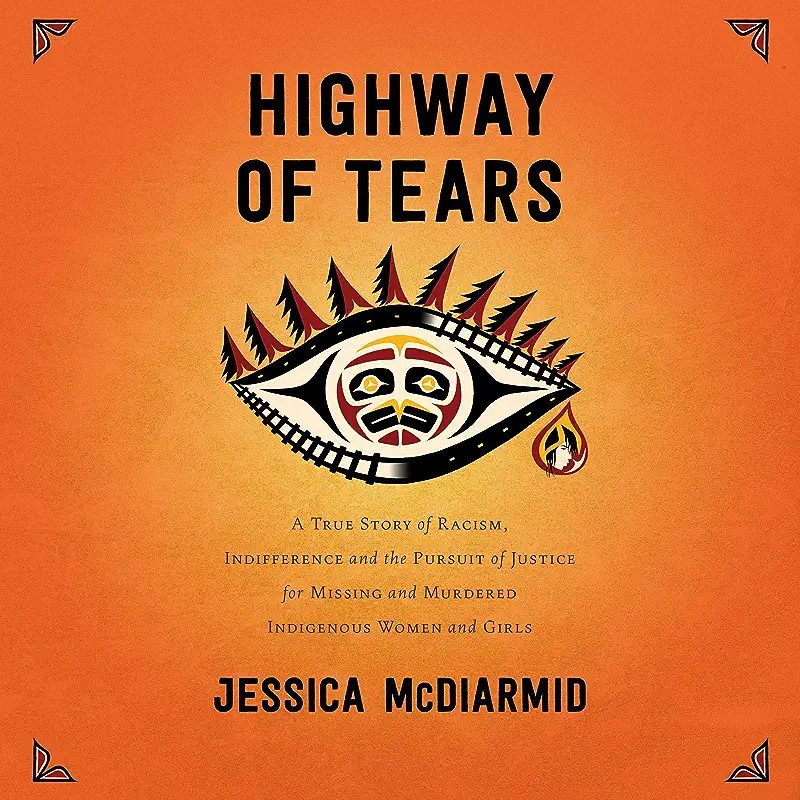

The depth of author McDiarmid’s research and her own understanding of the situation is unique. She interviews family and friends of six young women (under age 25) who went missing in the late 1990s and early 2000s. She follows the almost incidental accounts which appeared in newspaper reports about the women and shows that the RCMP did next to nothing to try to find the women. The detail in the book is sometimes hard to read. McDiarmid doesn’t pull her punches and for that we must all be grateful. Well worth reading.
Now –years later– there is the shocking reminder of how little Indigenous women’s lives still matter. Winnipeg police, city councillors and the Manitoba premier refuse to excavate one Winnipeg landfill– the likely spot where the bodies of at least two missing and murdered Indigenous women have been dumped.
Camp Zero
Camp Zero by Michelle Min Sterling. It’s 2050, the US is burning up –quite literally. People move in droves to the northeast coast, but it’s only a few thousand who get to live in the tall pristine towers of the Floating City, which guarantee a protected high quality of life. And only the very rich and very famous can live there. Enter Rose, a young woman who wants to go to university and to build a better life for herself and her single mother. They work as cleaners in some luxury cabins. But eventually Rose gets an offer to move to northern Canada, to Camp Zero, to work as an escort for the escort service called The Blooms. What follows is a rough ride — though the man-camps inhabited by men who mine the last bitumen deposits in northern Alberta.
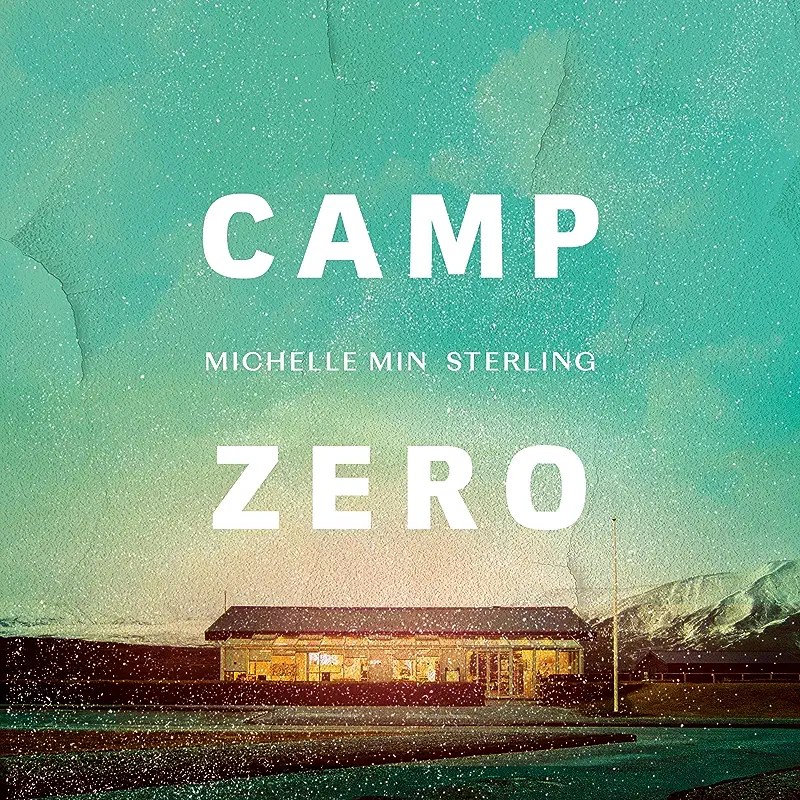
At the same time, further north and more isolated, a group called White Alice live almost off the grid. White Alice, a small group of professional women includes an engineer, a cartographer, a botanist, a meteorologist and a programmer as well as four pitbull dogs. For years they are told (falsely) that their experiments and research are vital to US interests; the women gather environmental data and send it south.
The book enmeshes the reader in the politics of life after the oil crisis, life after women’s lives and spirits have been sacrificed to capitalism, and life after it becomes untenable to live south of the 60th parallel. This is a good novel; the writing is sure and clever. The story races ahead of the reader and the author seems to negotiate twists and turns of a plot. She reveals a good understanding of environmental issues in this feminist and gritty novel. It is also a novel about the critical harms of surveillance and the military-industrial complex. Camp Zero’s author Michelle Min Sterling is originally from BC, and now lives in Massachusetts. I don’t usually like speculative fiction, but I highly recommend this book. You won’t put it down.
The Septembers of Shiraz, by Dalia Sofer. This 2007 novel was recommended to me by my friend Paul. True– the writing is lovely, and meaningful. However, the book is in a way a paean to the days of the Shah of Iran. As most of you know, the Pahlavi monarchies of the Shah and his son have been condemned by many human rights organizations and western nations. In the 1960s, the Shah crowned himself Emperor of Iran and his wife, Empress. His brutal spy agency SAVAK spied on the citizens, arrested, tortured and executed many that opposed his regime.
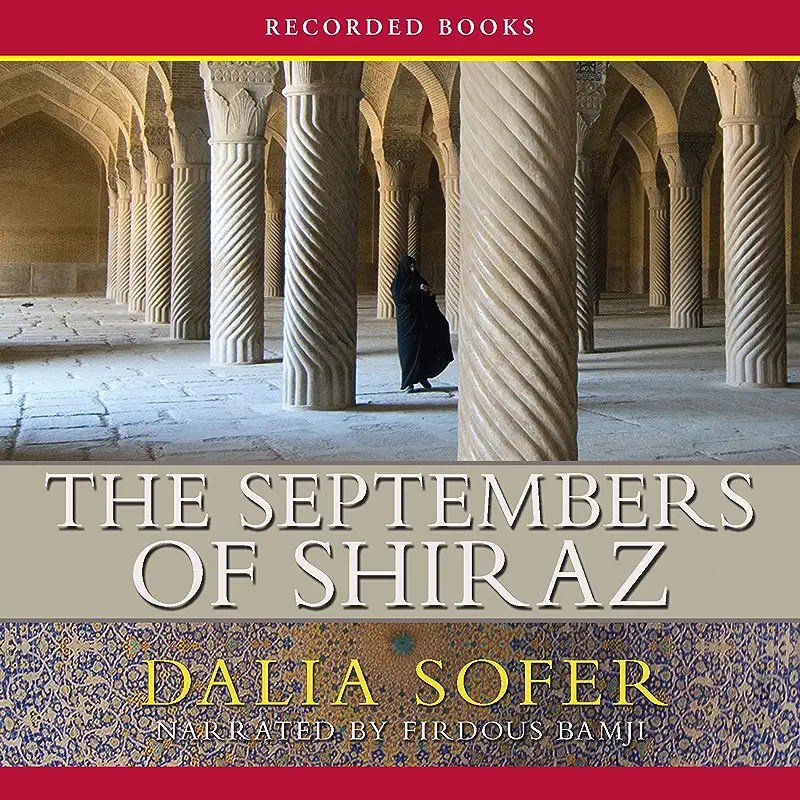
However the novel takes place in 1981, two years after the Shah was toppled, and Ayatollah Khomeini has returned to Iran from exile. The book is about a secular Jewish family in Tehran that did very well under the Shah. Isaac, a 58 year old husband and father of two, is a gem cutter who has made a fortune buying, importing and selling precious stones. In the ‘60s to mark the Shah’s self-coronation, Isaac sent a jewelled necklace to the Empress. His life and that of his family were privileged and comfortable. But in 1981, he is arrested and charged with being a Zionist spy—the new regime insists he has been spying for Israel. Isaac denies it, yet his imprisonment for six months with the threat of death is very real. The book is about the family’s life – an 18-year-old son lonely and not so happy at an ivy-league university in New York, a ten-year-old daughter who has few friends at her Islamic school in Tehran and a wife who fears for the future and resents the past.
It’s a quick read, enjoyable and at the same time haunting. The author, who is a Jew, was born in Tehran and emigrated to the US when she was a child. The book struggles with what many American novels suffer from – a happy ending that doesn’t quite fit the spirit of the tale. Something good to listen too is the 9 minute long BBC Witness History podcast: Iran: How the president was overthrown in 1953 — this is the secularist and progressive president Mossadegh whom the US acknowledged overthrowing because he dared to nationalize the oil industry. Listen here.
You can read or listen to a bittersweet short story, in a recent New Yorker, “The True Margaret” by Karan Mahajan here . In 1959, a young woman from a privileged background in Delhi, India marries a doctor. Together they move to London UK, where he practices medicine at a local hospital. In the first few lines of the story, we learn Ravi, the husband has another family, one with a British wife and two sons. The story is nicely drawn, and the two main characters Mira and Ravi are more complicated that I had expected. Well worth listening to. Delightful.
Mainstream media: ‘Stenographers to power’
Caitlin Johnstone writes an excellent article in Consortium News – “Mainstream Journalists: It’s not just the obscenely wealthy owners of the mass media who are protecting their class interests — it’s the reporters, editors and pundits as well”. It’s here Johnstone is a blogger and writer, I’ve found all of her articles are worth reading. This one zeroes in on the problem first drawn to my attention by anti-war writer Chris Hedges who years ago called the mainstream media “stenographers to power”.
What to Watch– Thunder Bay!
For every Canadian I know, the series Thunder Bay is a must-watch. You can stream the four episodes on Crave. Here is the trailer. In 2018, the podcast Canadaland aired an incredible audio series called Thunder Bay, hosted by Indigenous comedian and journalist Ryan McMahon. This four-part series is way more shocking than the podcasts. First you actually see the northwest Ontario city of 125,000 – in all its racist and segregated glory. You see the city in all the seasons which adds to the mystery of in excess of 1,000 unexplained and unexamined Indigenous deaths between 2010 and 2017 (see the final or fourth episode for more). When you bear in mind that 14% of the city’s population are Indigenous, often ill and impoverished, without good jobs and with limited access to education—the series packs a punch. What starts out as an investigation into the deaths – actually murders – of seven high schoolers who moved to the city from reserves and communities hundreds of kilometres away to pursue a high school diploma—ends as an inquiry into police coverups and malfeasance. The coroner also plays an upsetting role in this scandal.

Racist Brayden Bushby yelled, “I got one…”
I reviewed the Governor General’s award-winning book about the deaths, Seven Fallen Feathers: Racism, Death and Hard Truths in a Northern City by Tanya Talaga in my blog here. I’ve also republished my son Max Haiven’s chilling monograph on police an city hall corruption in Thunder Bay, The Colonial Secrets of Canada’s Most Racist City here . All to say that this documentary series is a generous dose of why and how this country has ignored 81 of the 94 Calls to Action from the Truth and Reconciliation Commission Report. And how it can be that Indigenous people– especially women — continue to be the number one victims of murder, disappearances and unexplained foul play —usually at the hands of white settlers? If you have any doubts, have a look at the case of Barbara Kentner, a 34-year-old Indigenous woman, a resident of Thunder Bay, who was struck by a trailer hitch deliberately thrown out a moving car by Brayden Bushby, a good old white boy aged 18. He yelled, “I got one” when the 20-pound metal hitch struck her in the stomach as she walked along the side of the city road with her sister. To read more about Kentner and her death seven months after being targeted and assaulted by Bushby, read this and this .
Baby Beluga
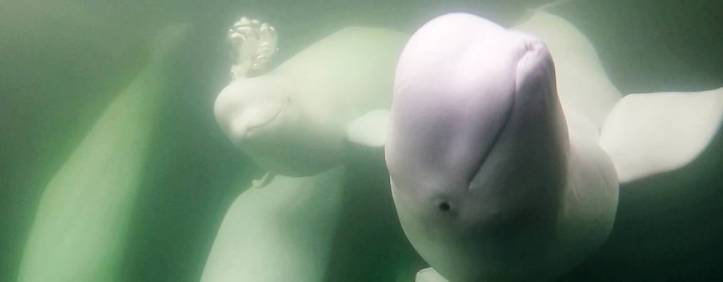
In August, two-thirds of world’s beluga whale population, 150,000 beluga whales swim to Churchill river into Hudson Bay, to give birth, and raise their young. They swim down from the Arctic Ocean. Here’s a look at them from a camera on the beluga boat’s deck. And the underwater camera is fascinating too! Watch it here.
Cops vs Crowns — watch Janet King
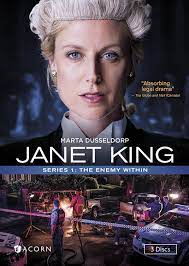
You could watch the three seasons of a series called Janet King on AcornTV. This is an Australian series about Sydney crown prosecutor Janet King. She is presented in sharp contrast to the lone-wolf and gunslinger images attributed to defence lawyers in most courtroom series, or police procedurals. I think the first season is the best. King is not especially likeable (which is a nice touch); she is a rule-bound insider who sometimes kisses up and kicks down. She is married to a partner who is a woman. They are proud parents to almost two-year old twins. The series is complicated and not easy. I liked the first two seasons– not fussy about the third. Here’s the trailer.
“She Said”
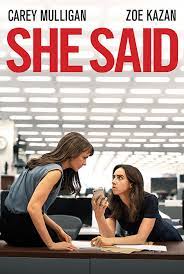
I just finished watching She Said, a 2022 Hollywood feature film which teases out how film mogul Harvey Weinstein groped, threatened and raped scores (if not hundreds) of women who worked for Miramax, his film studio. The women included famous and not-so-famous actors, staff, personal. assistants and others over decades and around the world. Many had signed NDAs (non-disclosure agreements) with Weinstein’s lawyers so none of his criminal conduct went public. The film focuses on the two New York Times reporters, Megan Twohey and Jodi Kantor, who doggedly followed leads, clues and dead end phone calls to get to the truth and build a solid case against Weinstein. Testimony from dozens of brave women and their witnesses eventually led to his downfall and imprisonment for more than 20 years. Both women reporters won Pulitzer prizes for their work. You can watch She Said on Crave.ca. Here’s the trailer.
Just last week — two women who were forced to sign NDA (non-disclosure agreements) 12 years ago to silence them from speaking about the sexual harassment and coercion perpetrated by the now retired president Alaa Abd-El-Aziz of the University of Prince Edward Island (UPEI) were released from their NDAs. The UPEI board of governors also apologized to the two women. In a huge step forward the university decided it had been against the women’s rights to demand they sign an NDA. Frankly, what the former president did was not only not OK, but likely criminal. To read more about this wonderful turn of events, read this.
City Hall in Thunder Bay, Ont; poster for She Said; still photo from Rough Diamonds; photo of Faith Howell in Keeping Faith; film poster for Janet King series.



There is a Welsh series, Keeping Faith, which is rather good. It’s on Prime. I found it a bit slow going, but the premise is interesting. Faith is a small-town lawyer who has taken a parental leave from the legal practice she runs with her husband Evan and his father. Suddenly her loving, helpful and handsome (to her anyway) husband disappears. We have no idea how, where or why. Her stubbornness helps her discover rather frightening clues – none of which augur well. The shots of countryside are lovely, and the actress – Eve Myles — is luminous and sometimes a lot of fun. Watch the trailer here.
I also rather liked Rough Diamonds. It’s a Belgian series on Netflix about an ultra-Orthodox Jewish family in Antwerp who operate a lucrative diamond cutting business. One of the grown sons takes his own life which the family tries to get over but at the same time realizes that his death has something to do with illegal and morally corrupt issues in the diamond business. The series is in Hebrew, Yiddish, Dutch and French (!) and there are subtitles. You get a look at a very tight-knit and religious family which does not welcome interlopers, nor does it welcome a surviving son and his young boy who return home after living in England for years. See what you think. Here is the trailer.
A twelve-minute film from Ireland is worth watching. Ciunas [Silence] is free on Kanopy here
What to Listen to:
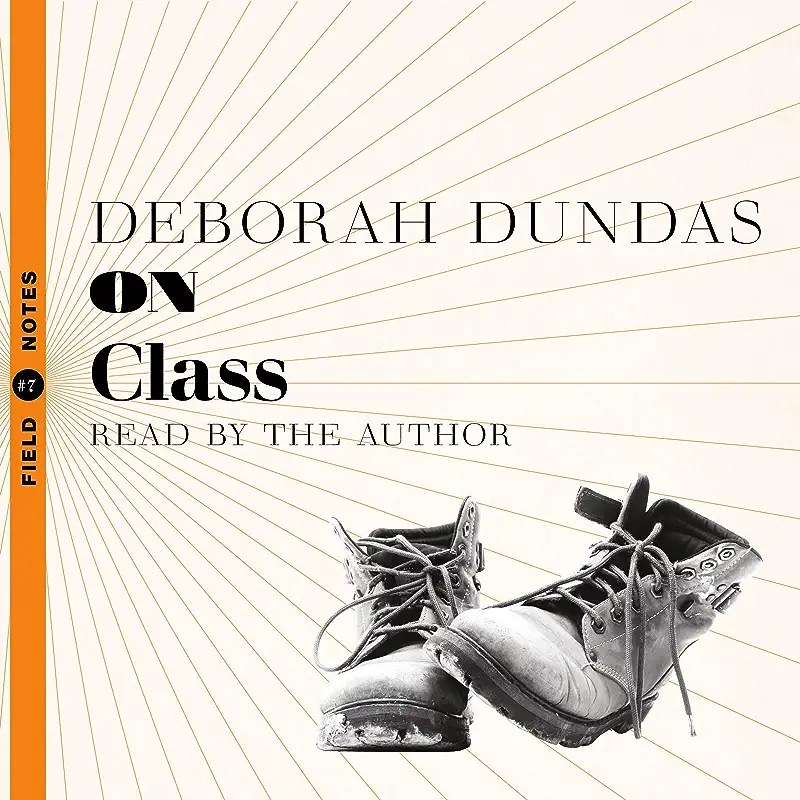
I recommend listening to Deborah Dundas, the books editor at the Toronto Star being interviewed on This Matters here The topic of the discussion is On class divisions, and why not everyone’s stories get told. Dundas is a refreshing and engaging speaker. She grew up in a working-class family in Toronto. When she was eight, her parents divorced and their split resulted in two poor households. She liked school, but she was also often humiliated. Her mother rarely had the coins to operate the apartment building’s washing machines, so Dundas went to school with dirty, sometimes mildewy clothes. She never owned a new backpack with school supplies for the first day of school, and rarely had new clothes. She had no idea going to university was even possible for her – instead she trained in shorthand and typing. Her new book, On Class, sounds excellent.
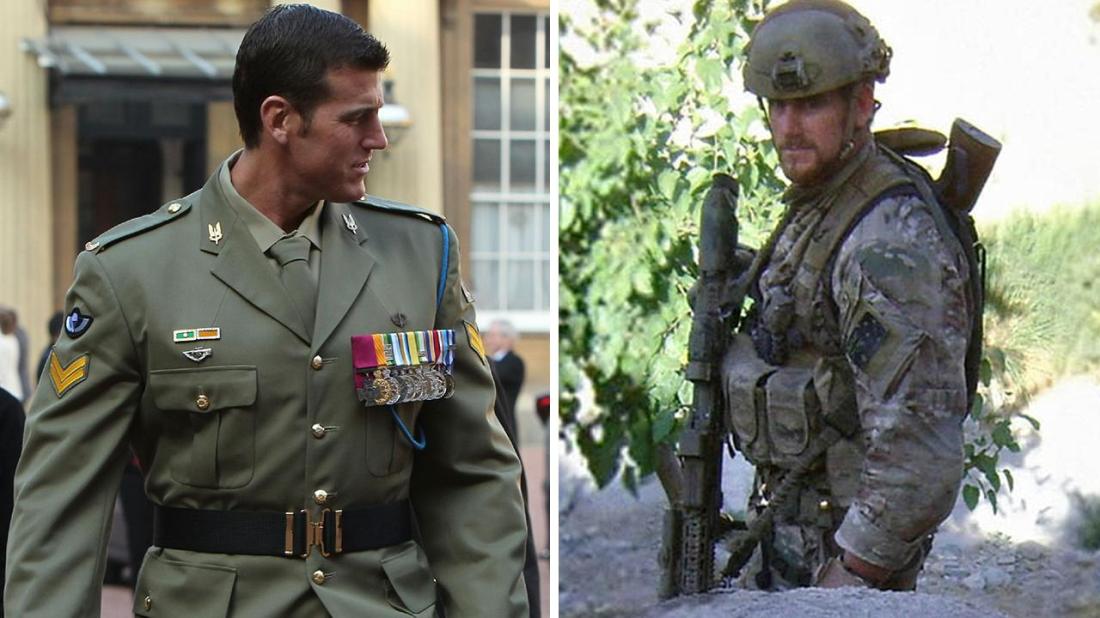
About a year ago I listened to a seven-part podcast called Ben Roberts-Smith v the Media here or you can listen now on Youtube. Smith sued three major Australian newspapers The Age, The Sydney Morning Herald and The Canberra Times for defaming him –a the most decorated living Australian soldier and recipient of the Victoria Cross. The papers called Roberts-Smith a war criminal for murdering Afghani civilians or forcing his SAS troop members to shoot in Afghanistan more than a decade ago. This is a great series of podcasts. The judge who heard the case has recently released his decision – here is a news story about it. The judge said, on the balance of probabilities, evidence showed Roberts-Smith did commit the murders (and torture) of the men which is against the law. Of course it remains to be seen if Roberts-Smith will be criminally charged with the murders. You can hear a synopsis of what the judge said, and of course Roberts-Smith’s absolute denial, in the 8th podcast of the series, here. This is a brilliant series that will hold your attention and is not merely a tepid tale about war crimes – in modern “theatres” of war such as Afghanistan.
Below: Dundas audible cover, and there is a book On Class by Deborah Dundas; cover for About Canada: Dental Care; cover for investigative book on Roberts-Smith; photo of Roberts-Smith, SAS; Roberts-Smith’s gongs.


A dentist (!) presents wonderful argument for universal dental care in Canada. He is interviewed on Vancouver Co-op Radio’s Redeye podcast here . Millions of Canadians do not have dental coverage; 1 in 5 children and over half of seniors have no access to regular dental care. The dentist, Dr Brandon Doucet, now lives and practises in Nova Scotia. He is the founder of the Coalition for Dentalcare. His forthcoming book About Canada: Dental Care will soon be published by Fernwood Books. My mother was a dentist, a graduate of University of Toronto, class of 1943. She argued for free dental care at conference after conference and in her job as a dentist in Toronto public schools. But it was to no avail. It doesn’t help that dentists often earn in excess of $209,000 per year (right out of school), more than many medical doctors in this country.
Noticed:
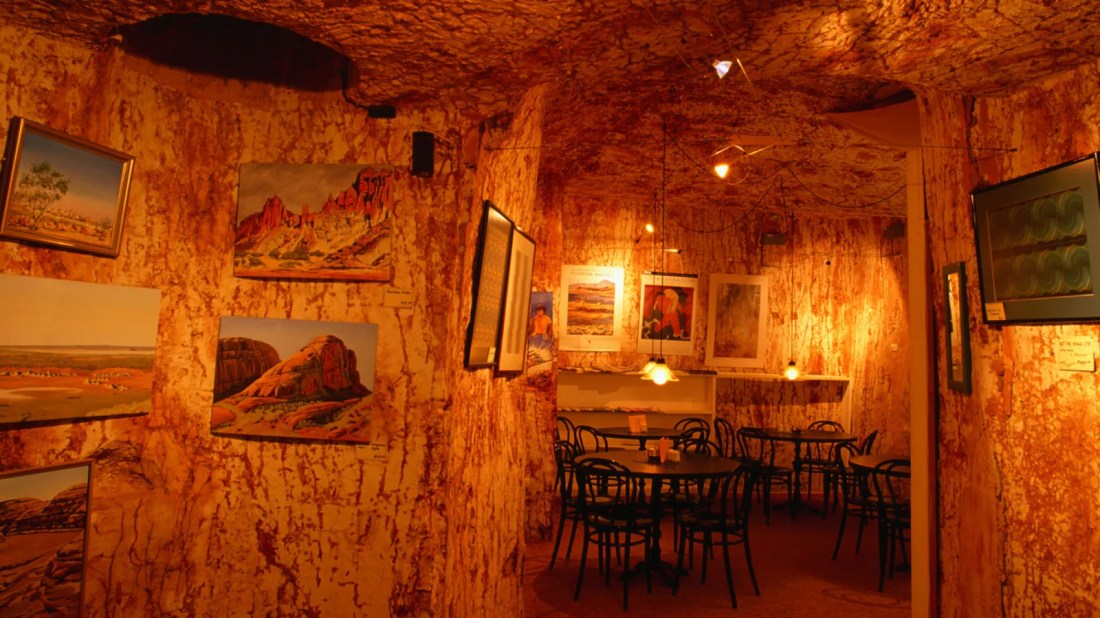
The BBC found a town of 2500 in Australia’s outback in which all the residents live underground – year round—due to incredibly hot temperatures. Strange but true, here’s the article with photos!
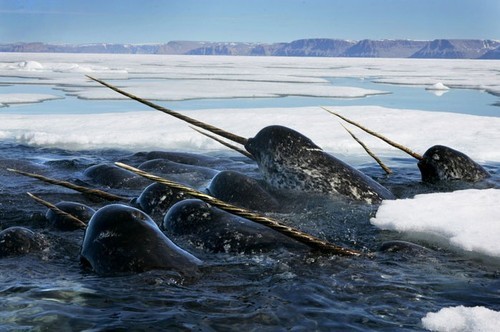
Featured Image at the top: Narwhal whales, photographed by Alexa Morrison in Newfoundland.
 Another ruined dinner party...