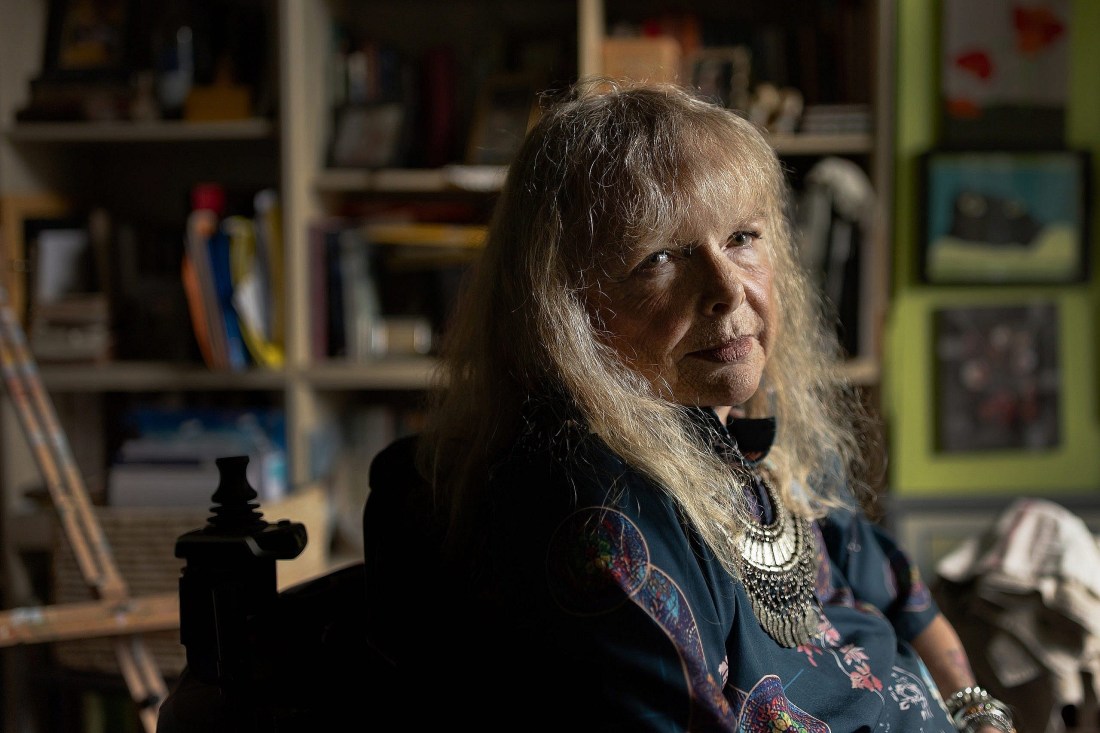
If anyone out there thinks it’s simple to plan your death – if you have an incurable disease, or no prospect of recovery from serious illness – this article is a reality check. In How I Plan to Die: Preparing for MAID is exhausting and expensive. I’m glad I lived long enough to do it writer Diana Sims explains the excruciating life she leads, one whittled away by disease – first a 50 year old case of MS (Multiple Sclerosis), then by terminal cancer which reduced her in every way except it has also sharpened her sense of humour. Her fortitude and truthfulness about the ravages caused by operations, procedures, hospital issues and terrible prognoses is framed in an almost lilting voice of a woman, who earned three university degrees, has edited and worked for major Canadian news outlets and someone who, at heart, is an optimist. Amazing. To share her work I feel is a privilege.
Andrew Mitrovica, a Canadian journalist who is all but frozen out of our media, is writing in Al Jazeera. He has an excellent article about how China is not the new enemy – but a new McCarthyism alive and blooming in Canada is a huge worry. Read Canadian Democracy is on the Edge—and China isn’t to blame here.
Questioning the narrative about Russia-Ukraine war
Author, activist and podcaster Nora Loreto wrote a thoughtful and very useful contribution about why there is no critical coverage or even discussion about the Russia-Ukraine war. In her blog, Daring to talk diplomacy: Canada has a clear side in this war– to be critical of that is to ask for abuse, Loreto explains she has no skin in the game. She is neither pro-Putin, nor is she trying to say that the Ukrainians are not suffering. What she does do is show that Canada, following the breadcrumbs left by the US and NATO, is in no way interested in promoting negotiations between Russia and Ukraine. And it’s only through negotiated settlement that this catastrophe of war, of murders, of destruction and displacement will end.
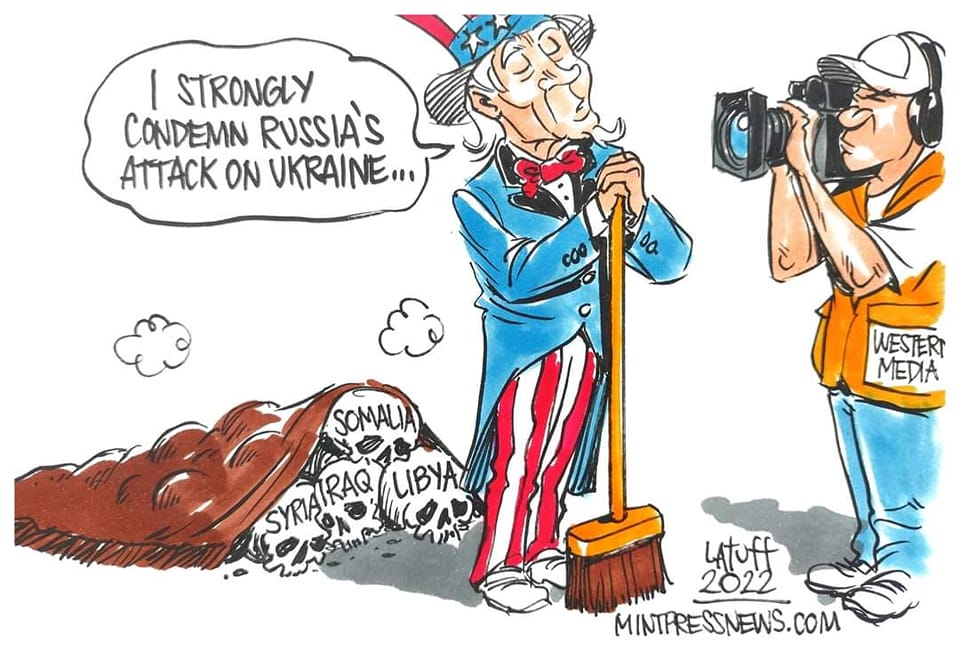
Think of it this way: enemies must negotiate. Friends don’t negotiate but enemies (like unions vs management, or opposing countries in international relations) do.
Loreto notes that though she (like the vast majority of Canadians) has nothing to do with the war. Yet she provides
“… material support to Ukraine through my taxes which are paying for weapons (and not, say, paying to close the gap between th elife expectancy of First Nations people and non-First Nations people in Alberta, for example, which is 18.5 years. Sure, let’s talk about genocide…).”
Wars don’t simply end – but they all do: if we look at Viet Nam or we look at Afghanistan, wars end, but as Loreto writes,
“Wars end when the aggressor is forced to realize that there’s nothing in it for them to keep it going. Diplomacy is a process to ensure the aggressor comes to understand this. It takes deft diplomacy and negotiations to end this because the war machine will always march along if it can, as long as there’s money to be made.”
I reviewed Loreto’s 2021 book Spin Doctors: How Media and Politicians Misdiagnosed the Covid 19 Pandemic here. And her earlier book Take Back the Fight: Organizing Feminism for the Digital Age (2020) here.
She is a rare writer, one with a strong social conscience and a great record as an anti-racist activist, and one who will call foul even when it might not be in her personal interest.
Journalists: Scribes to Power?
Are journalists merely “scribes to power” as Chris Hedges famously said? Judge for yourself in this good article What’s the Matter with the ‘Liberal Press’? in Counterpunch by Ralph Nader . For a Canadian point of view on the number of international journalists killed when they tried to make a difference, read Tony Seed’s blog 2022– A Deadly Year for Journalists here . Chris Hedges makes the point that the war industry presents the worse danger we all face. His article They lied about Afghanistan. They lied about Iraq. And they are lying about Ukraine is well worth reading– here.
Dorise Nielsen, MP, Communist
The People’s Voice is the newspaper of the Communist Party of Canada. I subscribe because it has the best coverage of labour and unions in Canada. It also does some nice historical profiles of leading Canadian Communists. This portrait of former Communist Member of Parliament Dorise Nielsen is worth reading. However, the 2006 biography, A Great Restlessness: The Life and Politics of Dorise Nielsen (University of Manitoba Press) written by Faith Johnstone is a real gem. Nielsen, a teacher from London UK, arrived in Canada for adventure just before the Great Depression swept the nation. She landed a job in a one-room school in Harbury, Saskatchewan a place that is now a windswept crossroad on the prairie near Spiritwood. Her teaching job ended when the school board closed the school due to lack of funding. She became an activist in the Communist Party (CP) in 1940 was elected MP for North Battleford under the Unity banner — which was the legal political organization of the CP. With her three young children in tow, she moved to Ottawa. Virtually no one would rent her a flat because she was a divorced wife and mother. She couldn’t find decent childcare. But she persisted.
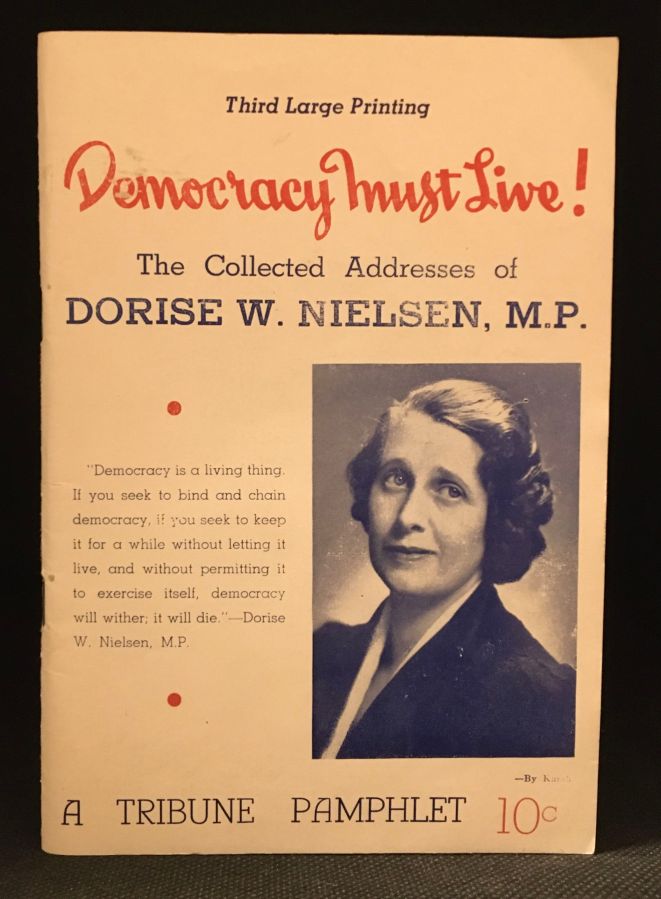
Then Liberal Prime Minister Mackenzie King had her followed and harassed by the Mounties and other security men. King ran a covert campaign against her. A Great Restlessness shows he wasn’t her only enemy. Tommy Douglas, by then Saskatchewan premier, decided he could not abide even a single Communist representing voters in his province. In the 1945 federal election, he ran someone against her so she wouldn’t win a second term. After reading the book, I can never look at Tommy Douglas in the same glowing light I once did. The book is dynamite.
James Litterick, MLA, expelled from Manitoba legislature went into hiding…
Also in PV Online is a profile of James Litterick, the first elected MLA who was a Communist. Elected in July 1936, he represented a Winnipeg riding. This too is a fascinating article and you can read it on page 2 of People’s Voice here
“An active member of the Communist Party in Vancouver for some time where he took an active part in unemployed and trade union struggles, Litterick came east to Toronto in 1932 to take up the work of Tom Ewen, at that time national secretary of the Workers Unity League, who with seven other Communist leaders had just been confined within the grim walls of Kingston Penitentiary.”
from the Daily Clarion XV, No. 923, July 30, 1936.
My Hijacking
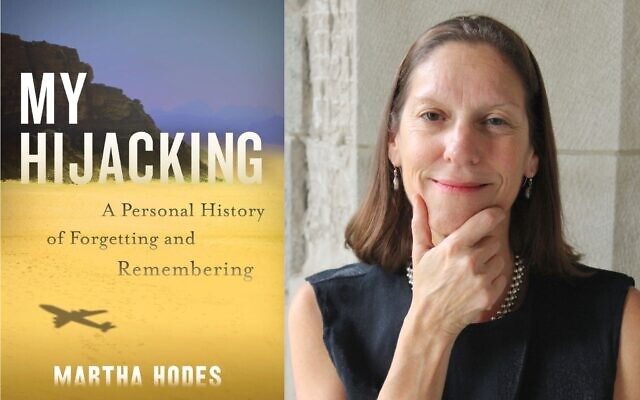
On Audible, I’m listening to a new book My Hijacking: A Personal History of Forgetting and Remembering by Martha Hodes. Hodes is an academic and an historian at NYU (New York University). She employs a light touch in her writing and a good sense of humour.
When Martha was 12 years old, and her sister Catherine was 13, they boarded a plane to fly (as unaccompanied minors) from Tel Aviv to New York City. For six years, during their summer holidays, the girls had flown from New York to visit their mother and her new family in Israel. In early September they flew back to the US for the school year to live with their father in NewYork.
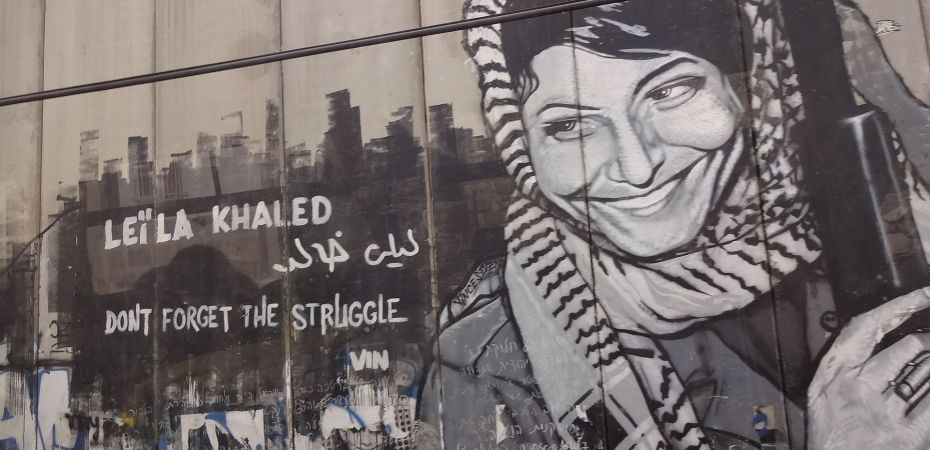
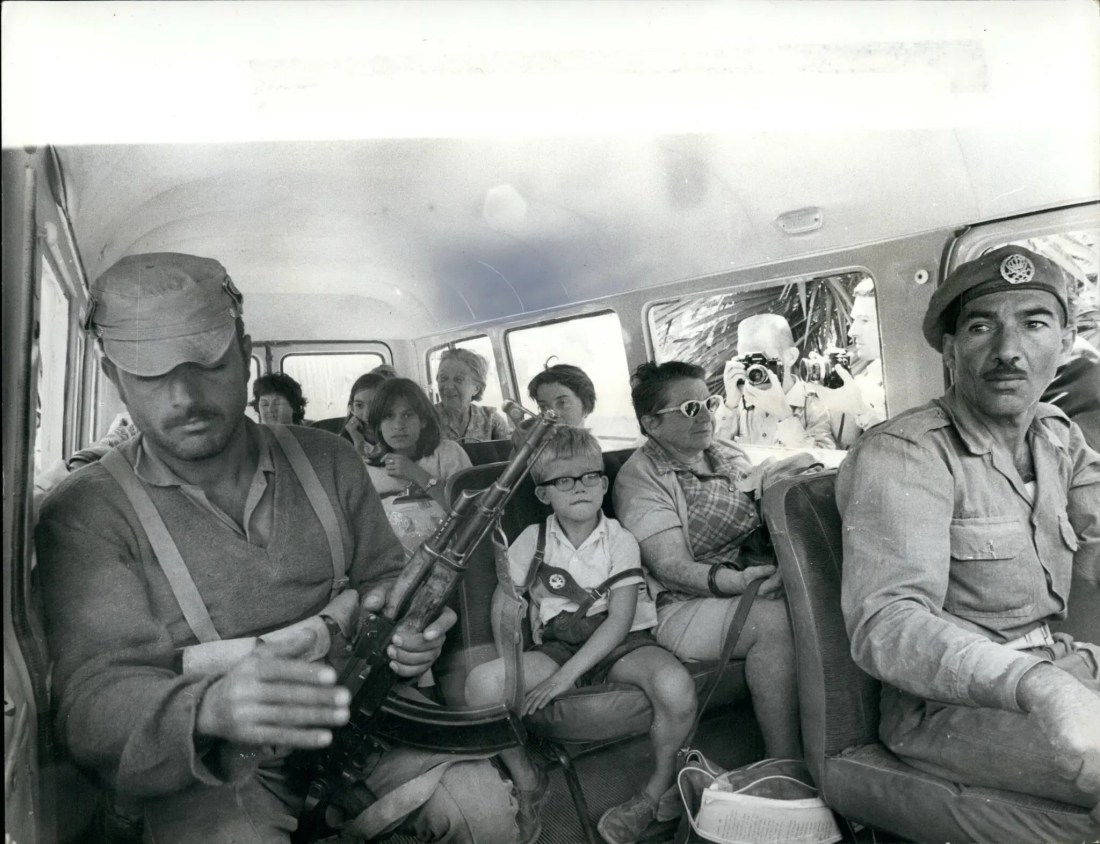
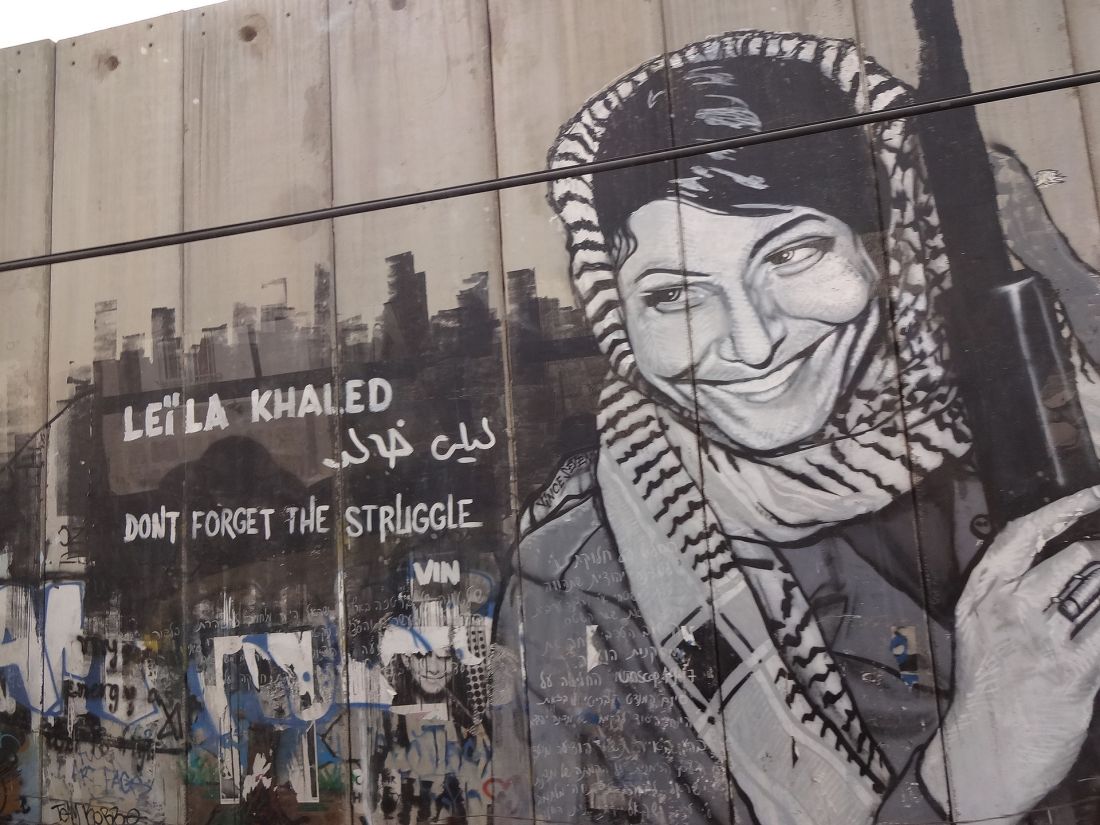
On Sept. 6, 1970, TWA flight 741 was hijacked by members of the PFLP (Popular Front for the Liberation of Palestine) and diverted to Dawson’s Field a remote airstrip near Zarqa, Jordan dubbed it Revolution Airport. TWA 741 was one of four airlines en route to New York that was hijacked that day by the PFLP. With hundreds of passengers held hostage, it was amazing the only person killed was one of the hijackers on the El Al flight 219, the partner of Leila Khaled who was eventually arrested when the plane landed in London. Eventually, in a prisoner-swap, the British let Khaled go.
It’s not known where she is today, but she is alive and speaks on behalf of Palestinian cause at various online events. Lieutenant-General Sir John Bagot Glubb, a general who in the 1940s led Arab Legion to fight for British colonial rule in Palestine—especially in the West Bank. Glubb was a total stranger to Khaled, yet he wrote the introduction to her 1973 best-selling book, My People Shall Live: The Autobiography of a Revolutionary. Her book is free to download here. And I note that the translation of Khaled’s book is by academic Dr George Hajjar. I happen to know him – we go back a long way! He was present at my wedding, and a good friend.
In his preface to My People Shall Live, Sir Bagot Glubb wrote,
“I should perhaps begin this forward by explaining that Miss Leila Khaled did not ask me to write it. I do now know her present whereabouts. Perhaps she does not know that I am writing it. Indeed in the book itself she expresses a low opinion of me. This is a remarkably interesting book for a number of reasons. It is written with extreme simplicity. This is refreshing in a book on Palestine…”
Back to My Hijacking
Back to Hodes’ book: on board TWA 741 the sisters were not terrorized by the hijackers. In fact, like others on their plane, the girls talked with hijackers for hours, played games and shared food with them. Hodes, a precocious, almost-teen thought she knew a lot about world events, but the hijackers, and the hijacker-doctor on board, told her a very different story about human rights as they pertained to Palestinians. Hodes kept a fascinating and detailed diary – a routine that served her –and us –well since her own handwritten account from the time reveals a lot. Her sister Catherine also kept a diary but thought she had mislaid it over her many house moves over the last 50 years – but in her research, Martha Hodes found the photocopied pages of it stored in FBI files about the hijacking. Hodes interviewed Catherine first – who remembered being upset and frightened, possibly because as the older sister she had felt more responsible.
Photos below: (clockwise) book cover of My Hijacking, and author Martha Hodes; postcard written by a fellow passenger for the Hodes girls. The card arrived weeks after they got home to NY (via M.Hodes); Bethlehem wall with graffiti depicting Leila Khaled, photo from 2012 (Wikimedia Commons); cover of Khaled’s 1973 book, My People Shall Live; hostages leaving the plane (AP Wirephoto)
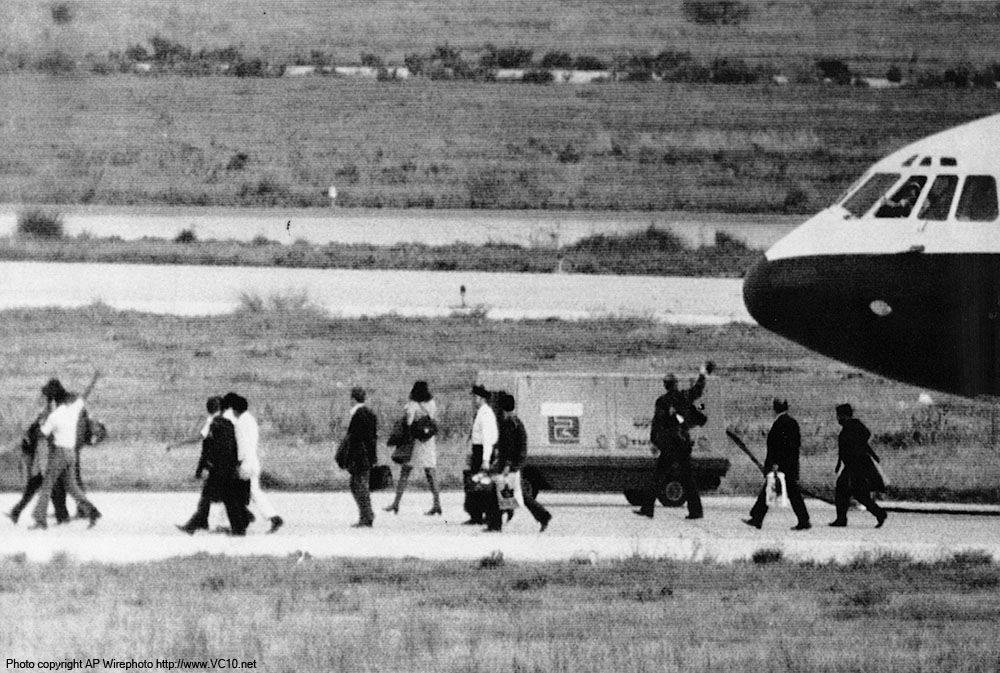
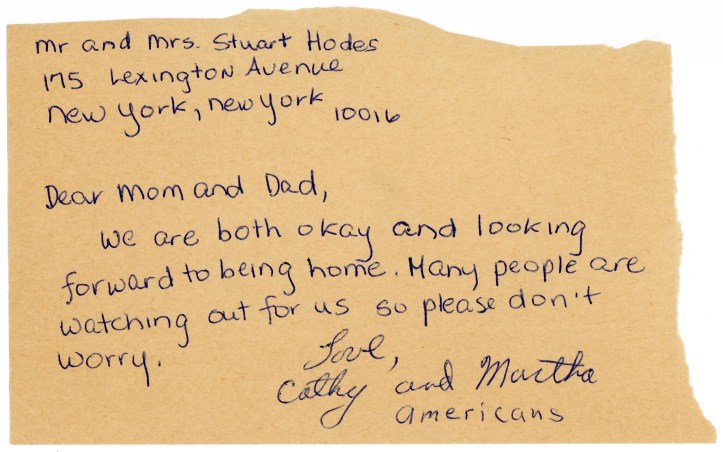
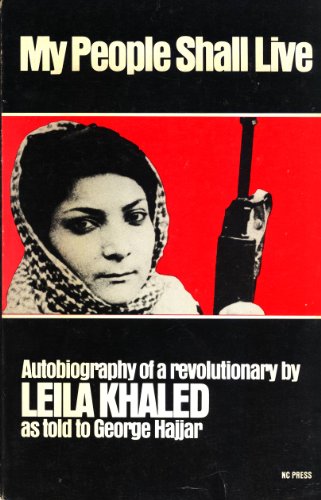
Hodes visits the TWA archives, and goes through many newspaper and media reports. She even checks out the FBI’s files to discover any efforts the US politicians expended to free the hostages Hodes unearthed records from many top security meetings with then-President Nixon and his national security adviser Henry Kissinger. There are loads of international meetings by phone noted in telegrams and cables. The girls’ parents wrote letters to the US President and many other politicians pleading for their daughters to be freed. Mostly the parents were kept in the dark, and received no legal advice or support.
The planes were grounded for six days. Hodes writes about the boredom of the days, the incredible heat of the desert sun and the freezing temperatures at night, the jammed toilets and lack of food. Officials from the Red Cross frequently came onboard the plane to provide necessities, especially water. She writes about her fellow passengers, some Jewish some not, a few older captives who were Holocaust survivors, one Rabbi, a half-dozen babies and mothers and six other unaccompanied children like herself. She tracks down one of the pilots, who now age 93 lives in the UK. Hodes interviews a stewardess who doesn’t remember Hodes and her sister specifically, yet in a recent interview remembers many things the plane’s crew did to calm things down during the tumult. There is a 48 minute video with original footage and interviews of the hijackings, made in 2007 by TimeWatch in the UK here.
Chapter 12 is the best one because in it Hodes discusses her understanding and now her sympathy toward the Palestinian struggle. She can’t condemn the hijackers entirely because their cause is justified.
If you are curious, why not first read a chapter of the Remembering My Hijacking here in the New Yorker.
Maclean’s features a story by a middle-class Ottawa bus driver who made his first bet at the age of 10 and has since gambled away more than $1 million. It’s fascinating and upsetting to read about the man’s gambling addiction, and how it started. I Placed My First Wager when I was 10…A memoir of addiction, desperation and the dangers of sports betting is here.
What to Watch…
I’m watching The Sopranos, from the start. It’s on CRAVE and it’s six seasons. I first saw it nearly 20 years ago, and now see I missed a helluva lot the first time. at that time. First, the series rings true. There is seldom over-acting; the plot moves along and zeroes in on Tony Soprano’s,(the Mafia boss’s), and his family which includes his seriously entitled teenagers and his wife who alternates her days lunching with other mafia captains’ wives, or working out at the gym. The domestic situation is no tonic for the extortion, the racketeering and the random violence that fill Tony’s days. Plagued with frightening panic attacks, he becomes a patient of Dr Melfi, a woman psychiatrist who is also Italian-American.
Tony can tell her next to nothing about what’s bothering him – without compromising the illegalities he carries out in his “work”. The ongoing relationship Tony has with Dr Melfi is a wonder to watch. She of course is both attracted and repulsed by him. He is in love with her because she listens to him. The no-go zone, as we find out, is Tony’s relationship with Tony’s mother – he refuses to look critically at his mother and her abusive, belittling conduct toward him for his whole life—especially into his adulthood.
To read more about what makes the criminal element in The Sopranos “work”, read this. Below, Tony Soprano is second from left.
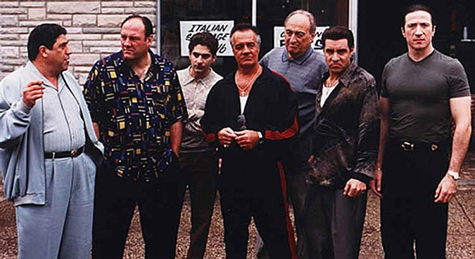
What escaped me 20 years ago was that it’s very hard to be a mob boss—it takes good management skills. So while Tony goes to his shrink ostensibly to learn to control his impulses, he is managing a “team” of 4-10 key men who have zero impulse control. That’s tough.
What is particularly significant about this series is The Sopranos’ writers hit every emotional note – emotions run raw and violent, then they get buried, and ultimately get used against each and every character in the series.
Don’t watch The Sopranos before bed. Not just because of the brutality and violence, especially noticeable in the sixth season, but because of the despair the series sows. We see how the American dream has been perverted and manipulated not just by organized crime, but also by the cops who pursue the mob, and by Americans who think they can just get by with a little larceny.
The Missing is an eight-part dramatic series from the BBC; you can watch it free on GEM. It starts with a 5 year-old English boy, Ollie, who goes missing while he and his parents are on vacation in a small picturesque French town. It is the parents’ worst nightmare.
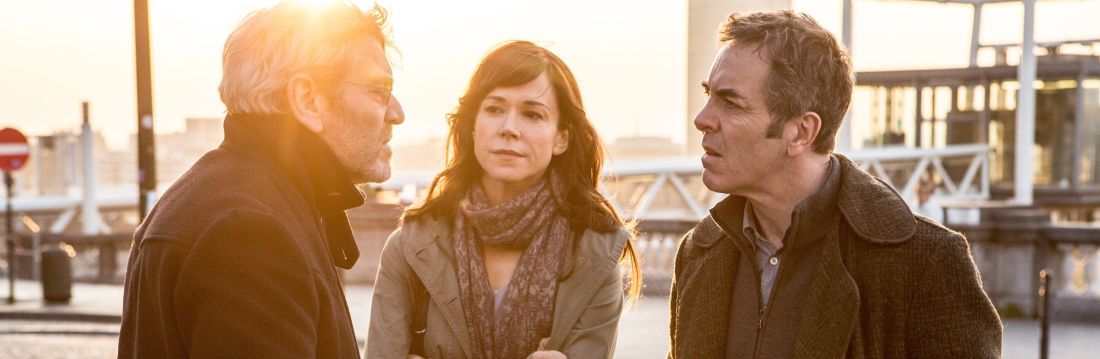
Below: A still from The Missing featuring (from left) Tcheky Karyo, as the French detective, Frances Ann O’Connor as Emily and James Nesbitt as Tony — the missing boy’s parents.
The cast of characters include a melancholy, but clever French detective, a nasty investigating judge, a loutish British cop and supportive innkeepers at the small hotel where the family stayed. The child disappeared near the town’s swimming pool and at first the locals were sympathetic. Then they turned when journalists descended on the community and the parents all but accused the townfolk of knowing more than they did about the kidnapping. If that was what it was.
There are some pretty good twists and turns – and the production values are high. The plot spans eight years – which is a nice touch.
What Podcasts to Listen to…
Selected Shorts offers three excellent short stories, read aloud, about the workplace called Punching In. I think the first story, Bayonne, is a bittersweet tale about a waitress at an American diner in the 1930s by John Cheever. It’s the third story, OBF, Inc. that is the best. In Bernice L McFadden’a short story, a college grad goes to a job interview for a secret corporation that secures cultural capital for famous people. Listen here.
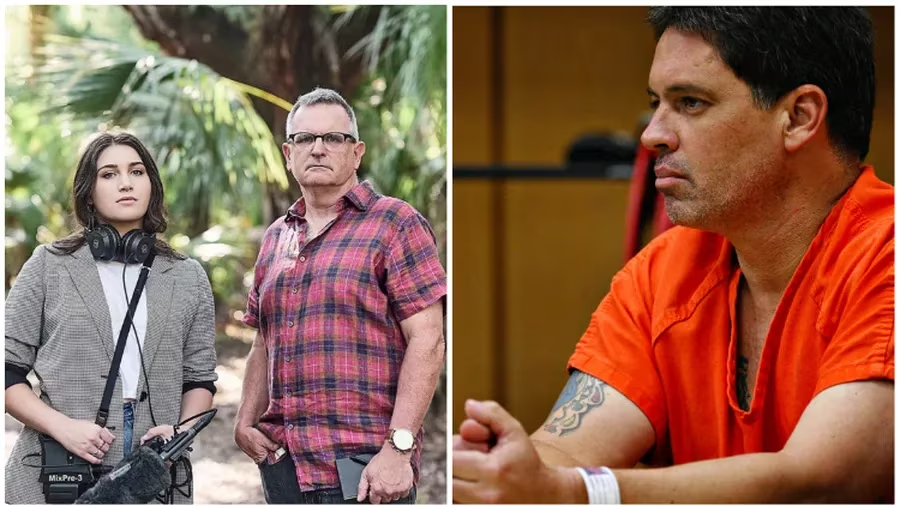
Great podcast: Bone Valley
One of the best podcast series I’ve heard in years is Bone Valley by writer Gilbert King. King is a Pulitzer prize winner, who has written several books about the ravages of racism and the lack of justice for Blacks especially in the US south.

A few years ago he was giving a talk to judges in Florida when one judge handed King a business card. Scribbled on the back was “call me”. King forgot about the card and months later found it and called the judge. He explained the worst miscarriage of justice happened in central Florida: a man convicted of killing his wife was serving a life sentence. He had always denied the killing. Finally someone came forward to admit it and the justice system refused to listen to the confessor. This podcast series is great. First it’s well written, secondly it’s like a whodunit you’ll hang off every chapter, finally we get to see and hear a lot about prisons in the US—and the so-called wheels of justice in the country with one of the highest incarceration rates in the world (531 per 100,000 people compared to fewer than 100 per 100,000 in Canada). Highly recommended. Listen for free here.
The Big Story had an interesting series Small Town Week. It investigated a stench in Richibucto, New Brunswick in which a shell-drying company located. And it looked into the closing of the ER (Emergency Room) and what it means for both residents and cottagers in Minden, Ont. A recent Big Story episode was “Why were asylum seekers sleeping on the streets of Toronto.” Listen to it all here
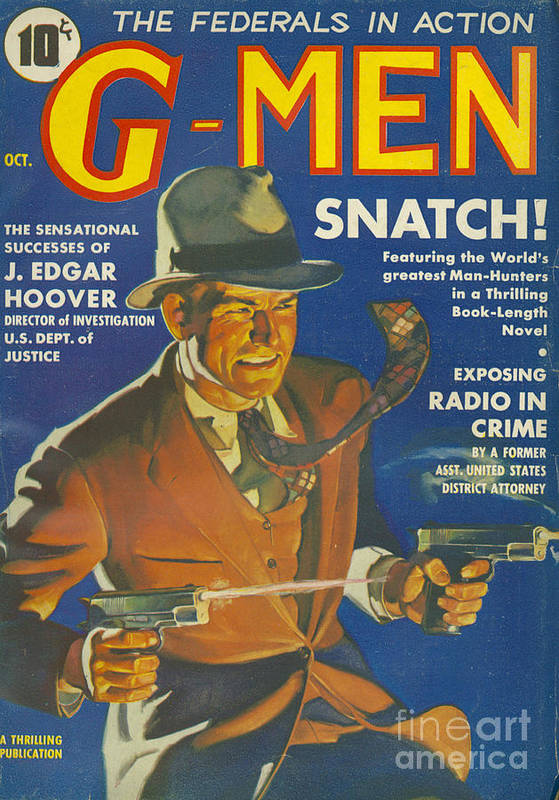
The Toronto Star has a podcast called This Matters. This week’s news is that the federal government wants to convert the Mounties to “the FBI of the North”. Is this a good idea –hardly. Imagine the blow-hard, racist RCMP – and don’t forget stupid and lazy: remember Portapique – being a dedicated force against “terrorism” (read Muslims), cybercrime, the activist left, and people who fight for social change. So all the calls for the RCMP to change, by the Mass Casualty Inquiry, the murders of Indigenous people, super expensive contract policing and horrifying sexism – are now being deflected into this pompous and wrong-headed call for Mounties to be a nastier better funded spy force. We know they already do this: The RCMP fuelled the cases against Mahar Arar, and now the persecution of Hassan Diab. Will Canada’s Mounties become the FBI of the North? if you can bear it, listen here. Below is a G-Men comic cover from the 1930s.
On Today in Focus, The Guardian asks “Has Britain become a country of shoplifters?” It’s worth a listen here.
The Amateur Anthropologist
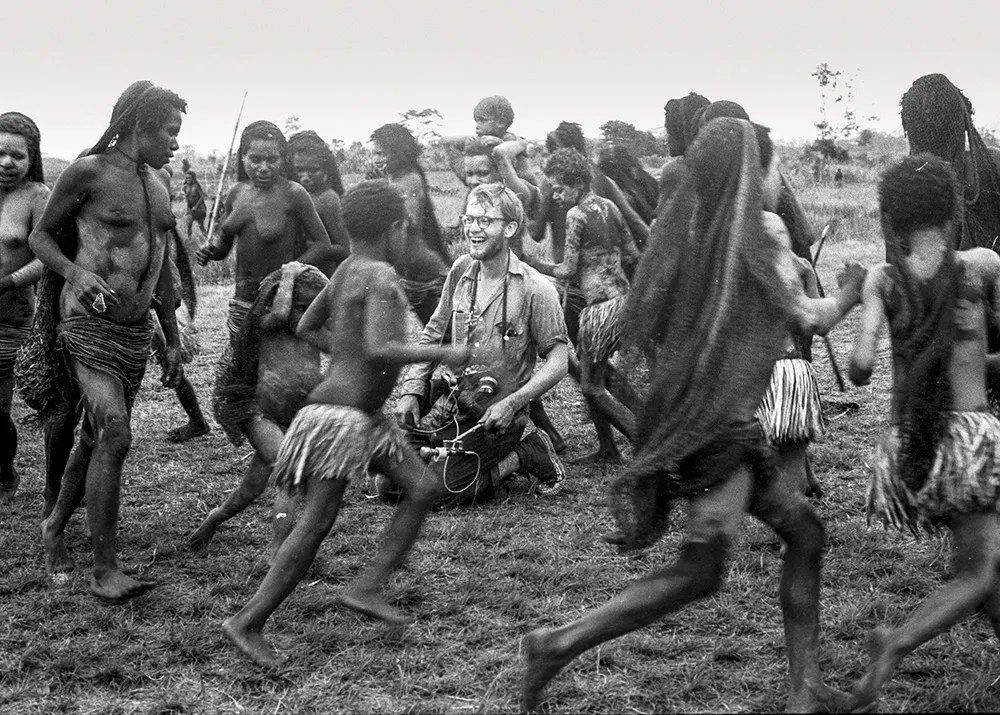
Did you know that Michael Rockefeller, the son of Nelson Rockefeller, was murdered while working as an amateur anthropologist in the Asmat Cultural Region of New Guinea? The year was 1961, and the Rockefeller family believed 23-year-old twin Michael drowned when his small boat capsized. But investigation proved otherwise. You can read the tale in the Smithsonian here But it’s better to listen here to this episode of the podcast Disappearances .
Noticed:
This is a great singer Carsie Blanton with her live 2 minute video called Rich People — a go at capitalism. Thanks to Jim for sending me this treat.
Some delightful food art is in the “Nice News” here. Below: portrait of Frida Kahlo on toast.

Featured image at the top: Bethlehem wall with graffiti depicting Leila Khaled. Photo taken from the bus window near wall gate to Bethlehem, Occupied West Bank, on 2012-05-27. (Wikimedia Commons)
 Another ruined dinner party...